All Categories
Featured
Table of Contents
By Brandon Warren, Chief Growth Officer Retail is among the most vibrant sections, specifically when it concerns embracing and incorporating brand-new innovations and business models. It's the only way to exist and thrive in such a competitive world. Among the most interesting modifications in the last few years is the increasing popularity of the "Buy Online, Pickup In Store" (BOPIS) model.
Given that the last-mile delivery market is still on an upward growth trajectory, one may question why click-and-collect is also growing. Retail strategy agency, The Barcode Group, forecasts that the buy online, pickup in shop design is here to stay, recommending that every company with physical shops should consider utilizing it in combination with numerous agile retail trends to update the consumer experience and improve foot traffic in both physical and online locations.
In easy terms, BOPIS enables consumers to place and spend for an order online, then get the items at a close-by physical location. This goes against how standard online shopping works, where your online order is sent out to the last-mile delivery system before it reaches your door. Recent data says that the last-mile shipment market provides no signs of stagnancy or decline.

This implies that BOPIS is not a replacement however rather a complementary strategy. Home delivery stays clients' preferred choice, specifically throughout peak seasons, but click-and-collect deals several uncontestable benefits to both consumers and merchants. Here's a list of common benefits for customers. They get the products within hours, rather than days.
Enhancing POS Efficiency Utilizing Backend SystemsThere are no shipping costs, which can be a substantial expense for online orders. Consumers understand the item is in stock and ready for collection at a particular location.
Top Trends in Local Collection for Modern Retailers
Contribute to this the improved customer experience, and it's easy to see why this market sector is on the increase, with a forecasted $36.95 billion by 2034. The very best approach, backed by retail professionals, is a dual strategy that develops a more robust and customer-centric fulfillment design. Organizations that provide shipment options and BOPIS cater to various consumer preferences and manage logistics more efficiently.
This is a modular approach in which the front-end client user interface (site, app, social media store, landing page, and so on) and back-end systems (stock, checkout) run independently. You don't always need a brick-and-mortar shop, with all the expenses that entail, to use BOPIS. Lots of brands utilize so-called dark shops, which are more like small, automatic distribution centers than public shops.
They frequently rely on automation and real-time information combination through composable commerce systems. Q-commerce is one of the most aggressive types of nimble retail. Like same-day shipment, this is a development of e-commerce, driven by customer need for speed and benefit. Most food and grocery delivery brand names practice quick commerce to attract more clients in an oversaturated market and make their commitment.
Provided this structure's style, it's finest coupled with headless architectures by linking satisfaction, payment, and shipment services through modular, API-driven components. In 2024, TikTok Shops recorded an approximated $33 billion in worldwide sales, while Instagram created roughly $37.2 billion in commerce income. This is why retail brand names focus intensively on social commerce techniques nowadays.
Unlocking Key Benefits of Integrated Distribution Networks
By including the click-and-collect option, you incentivize social media users to select your brand name over those that only use shipment. Clients value benefit and fast delivery, and a retail method that combines last-mile and BOPIS will assist you provide simply that. It's also an excellent way to stand apart in a highly competitive market, because consumers have more alternatives for how they receive their orders.
This article was updated on February 2, 2022 Curbside pickup became progressively popular at the height of the COVID-19 pandemic, but the benefits of this service have turned it into an extremely favorable company procedure that's sure to last well beyond the pandemic.
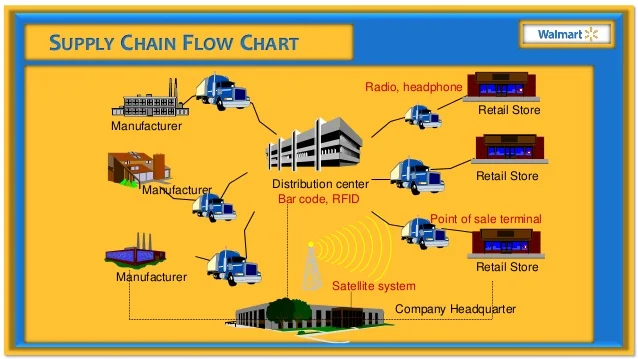
By not offering curbside pickup to your consumers, you may be falling behind. Retail curbside pickup suggests any order that's recovered outside the physical store location.
Once put, a customer shopper simply has to get to the designated pickup location to pick up their order from a worker stationed curbside. Sounds uncomplicated, best? Here's how to tell if your store place business is ready to delve into the retail curbside pickup video game, along with the logistics required to make the alternative work.

Latest Posts
How Next-Gen WMS Tech Will Transform 2026 Retail
Effective Strategies for Selling On Diverse Digital Channels
Linking Global Inventory Across Multiple Retail Channels